

In this you rejoice, even if now for a little while you have had to suffer various trials, so that the genuineness of your faith—being more precious than gold that, though perishable, is tested by fire—may be found to result in praise and glory and honor when Jesus Christ is revealed. Although you have not seen him, you love him; and even though you do not see him now, you believe in him and rejoice with an indescribable and glorious joy, for you are receiving the outcome of your faith, the salvation of your souls.
1 Peter 1:6–9
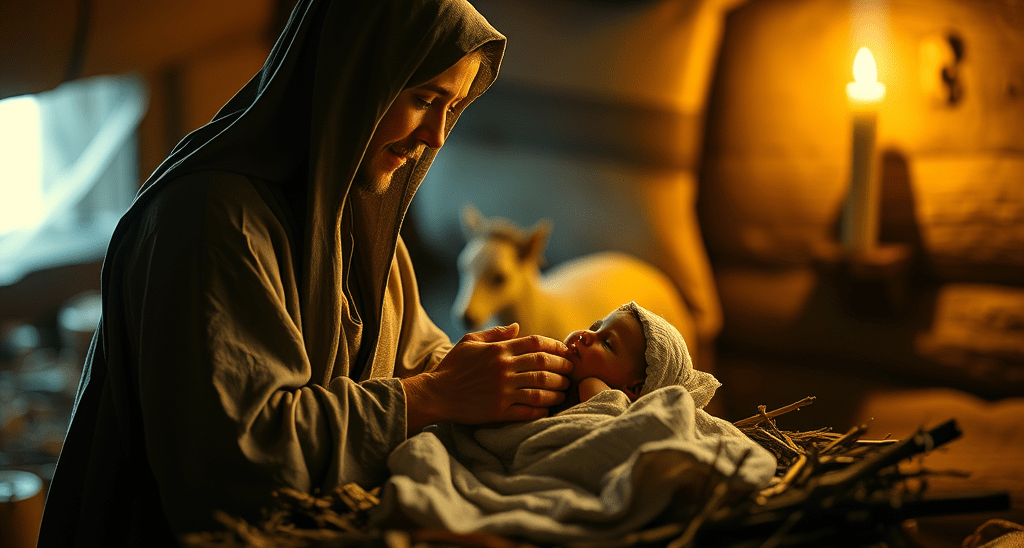
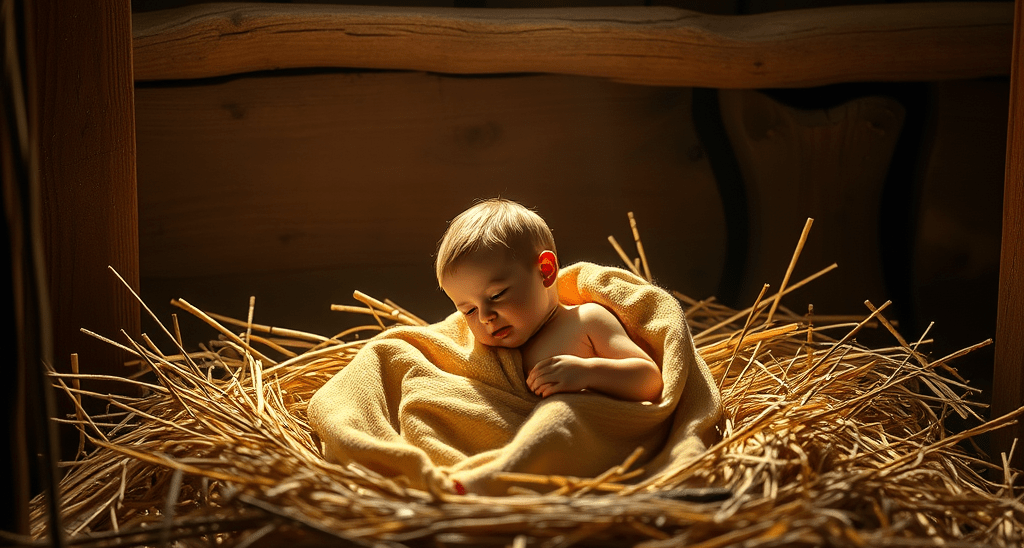
We cannot approach the manger of the Christ child the same way we approach the cradle of any other child. When we come to his manger, something profound happens. We cannot leave unchanged. We are either judged or redeemed. At this manger, we must either break down under its truth or experience the mercy of God reaching out to us.
What does this mean? Is it just a poetic way of speaking? Is it an exaggeration of a sweet and pious story? What does it mean that such powerful things are said about the Christ child?
Some people may dismiss these words as just symbolic or exaggerated. They will continue to celebrate Advent and Christmas as before, with the same casual indifference, as if it is just another holiday. But for us, these words are not just poetic language. This is the incredible truth: God himself— the Lord and Creator of all things—is here in this small child. He is hidden in a quiet corner of the world, entering the simplicity and plainness of human life. In the weakness and vulnerability of a child, God meets us and wants to be with us.
This is not done for the sake of sentimentality or because we find it emotionally moving. God reveals himself this way to show us who he is and where he chooses to be. From this humble place, God challenges, judges, and overturns all human pride and ambition.
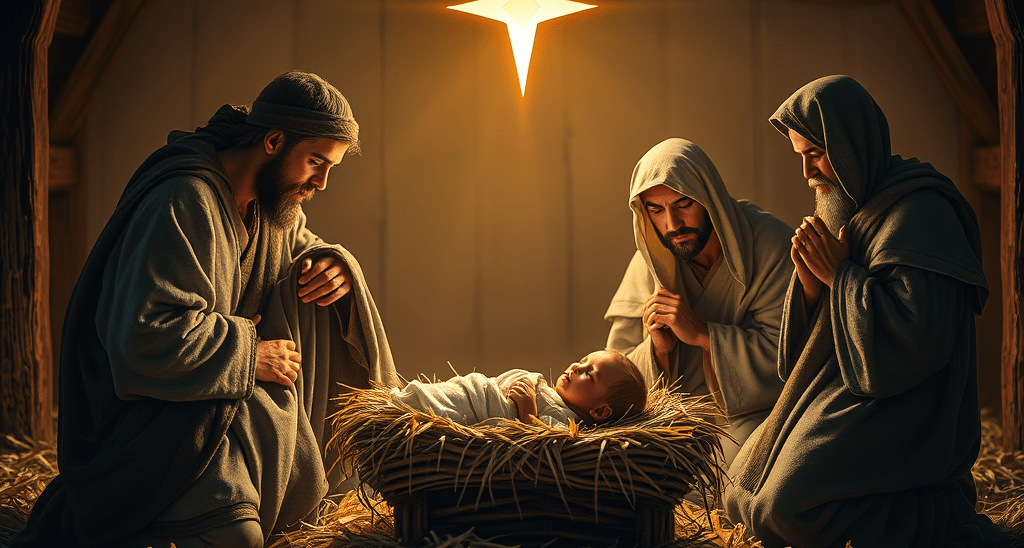
God’s throne in this world is not found in the powerful places or on the seats of kings and rulers. Instead, it is in the lowliest of places: a manger. And around this throne, we do not see wealthy, flattering servants. Instead, we see poor, unknown, and doubtful figures—people who marvel at this miracle and who want to live entirely by God’s mercy.
“Joy to the world!” Anyone for whom this sound is foreign, or who hears in it nothing but weak enthusiasm, has not yet really heard the gospel. For the sake of humankind, Jesus Christ became a human being in a stable in Bethlehem: Rejoice, O Christendom! For sinners, Jesus Christ became a companion of tax collectors and prostitutes: Rejoice, O Christendom! For the condemned, Jesus Christ was condemned to the cross on Golgotha: Rejoice, O Christendom! For all of us, Jesus Christ was resurrected to life: Rejoice, O Christendom!… All over the world today people are asking: Where is the path to joy? The church of Christ answers loudly: Jesus is our joy! (1 Pet. 1:7–9). Joy to the world!
Dietrich Bonhoeffer
Bonhoeffer, Dietrich. God Is in the Manger : Reflections on Advent and Christmas. Louisville, Presbyterian Publishing Corporation, 2012.

 LifeBridge International Church